
Penghao Qian
In fact, humans did not discover the neuron; they reconstructed it.
— A Brief History of Simulation Neuroscience
We may never know the truth of that time, yet we cling to the obsession of getting as close to it as possible.
— Hong Xu "What Makes China China"
I am currently a PhD student majoring in Artificial Intelligence at the College of Computer Science and Artificial Intelligence, Fudan University, Shanghai, where I work under the supervision of Prof. Hanchuan Peng. My research focuses on the analysis of structural and functional brain networks at different levels (nanoscale, single-cell, and mesoscale) and on AI applications in neuroscience.
I received my Master's degree in Computer Science at the Institute for Brain and Intelligence, Southeast University, Nanjing, also under the supervision of Prof. Peng, where I worked directly with Dr. Linus Manubens-Gil. I also collaborated closely with A.P. Lijuan Liu.
Before that, I worked as a Research Assistant with A.P. Dan Zhang at Tsinghua University, and completed my bachelor's degree at the College of Information and Electrical Engineering, China Agricultural University, under the supervision of A.P. Xiang Li.
Research Areas: Computational Neuroscience, Brain Network Analysis, Simulation, Artificial Intelligence
News
- 07/2026 Admitted to the First Archaeological Theory Summer Institute at Shandong University, as one of only 20 selected participants.
- 12/2025 Presented a poster at the 2025 Autumn Conference of the New Cornerstone Science Foundation, Guilin, Guangxi Province.
- 01/2025 Presented a poster at the 2025 Symposium on Neural Computation and Beyond, Shanghai Jiao Tong University, Shanghai.
- 12/2024 Started an internship at Shanghai Artificial Intelligence Laboratory, Shanghai (ended 09/2025).
- 11/2024 Contributed to a large-scale study of whole-brain morphometry, published in Nature Communications. Paper
- 06/2024 Received my Master's degree in Computer Science from Southeast University, and was named a Honored Graduate (11 students at the college) and one of the Best Outstanding Young Students (10 students per year across the whole university).
- 04/2024 Received the 2024 Brains for Brains Young Researcher Award, awarded by the Bernstein Network Computational Neuroscience, Europe's largest computational neuroscience organization.
- 03/2024 My first-author paper was published in Cell Reports, on how non-homogeneous bouton distributions shape neuronal networks. Paper
Education and Internship
Education
- PhD student | Artificial Intelligence, College of Computer Science and Artificial Intelligence
- Master's in Computer Science | Average score: 87.87/100 | Rank: top 5% (7/151)
- Bachelor of Engineering in Computer Science | GPA: 3.6/4.0 | Rank: top 15%
Internship
- Using multimodal fMRI and biomarker data for LLM-based Alzheimer's diagnosis in PET-CT.
- Studied brain-computer interfaces (BCI) and electroencephalography (EEG), and contributed to experiment design and execution.
- Managed, processed, and analyzed EEG and electrodermal activity (EDA) data, and built the preprocessing pipeline for physiological signals such as EEG recorded in natural settings.
Projects
Unimportant, there's a million things I haven't done, just you wait, just you wait …
— Alexander·Hamilton
My study of neuroscience has been a gradual deepening process. I started by implementing brain-computer interfaces to understand neural mechanisms, and then moved to inter-individual analysis of physiological signals (e.g. EEG, sEMG, PPG). At the master's level, I began to study structural and functional brain networks at the single-cell level and developed novel morphology-based classification tools. I also explored more abstract models at the whole-brain scale.
At my current PhD stage, I continue to study brain structure–function relationships and have expanded my work to multiple scales, ranging from nanoscale electron microscopy imaging to single-cell networks and mesoscale brain regions. My work also extends from the mouse to the human brain. In addition, I am actively exploring AI-based methods to tackle challenges in neuroscience.
Analysis of structural and functional brain networks
This project has two parts.
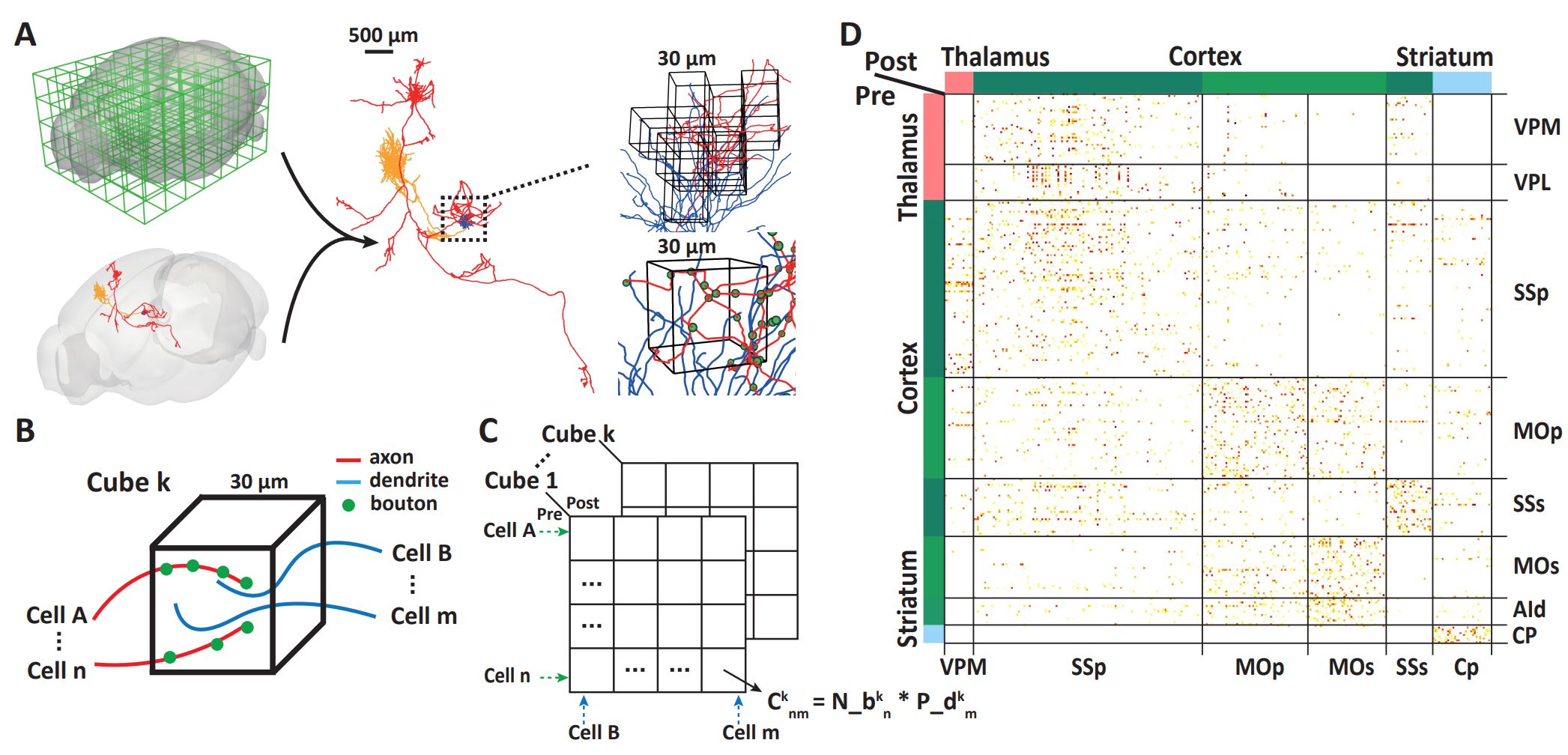
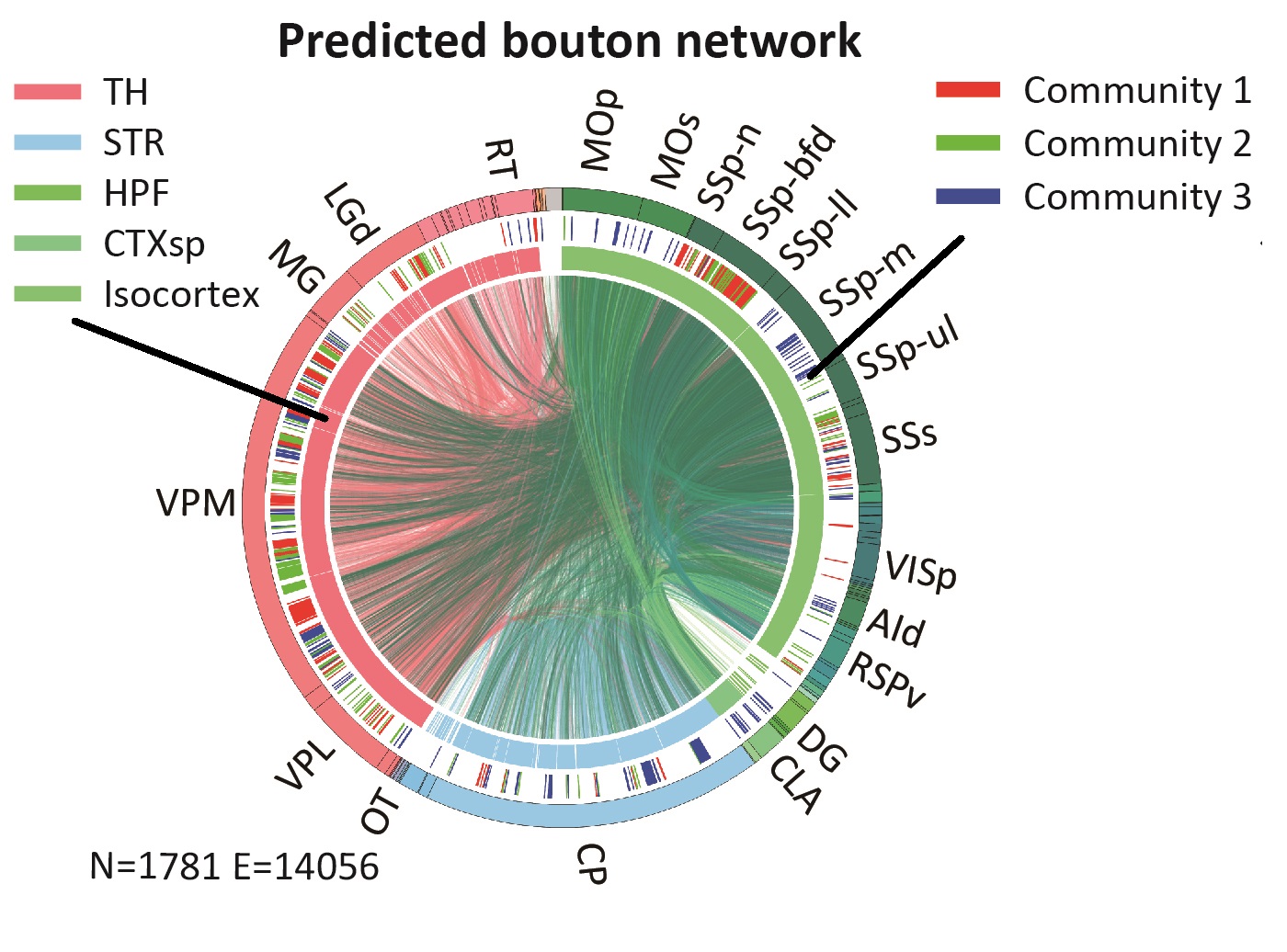
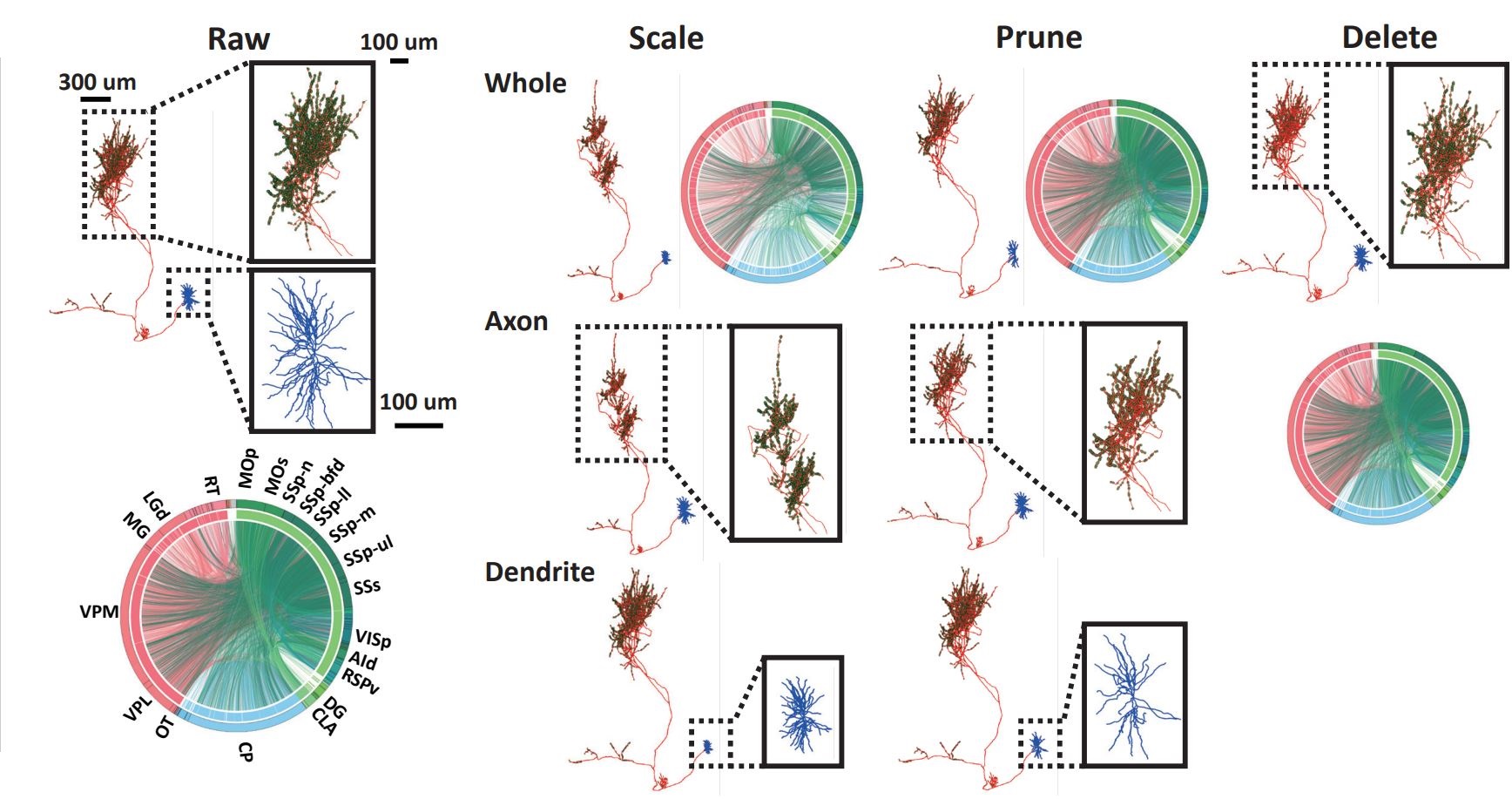
In the first part, we studied how the details of neuronal morphology — in particular bouton distribution — affect network structure.
In the second part, we studied the relationship between single-cell connectivity and function through simulations.
From single neuron to structure
From single neuron to function
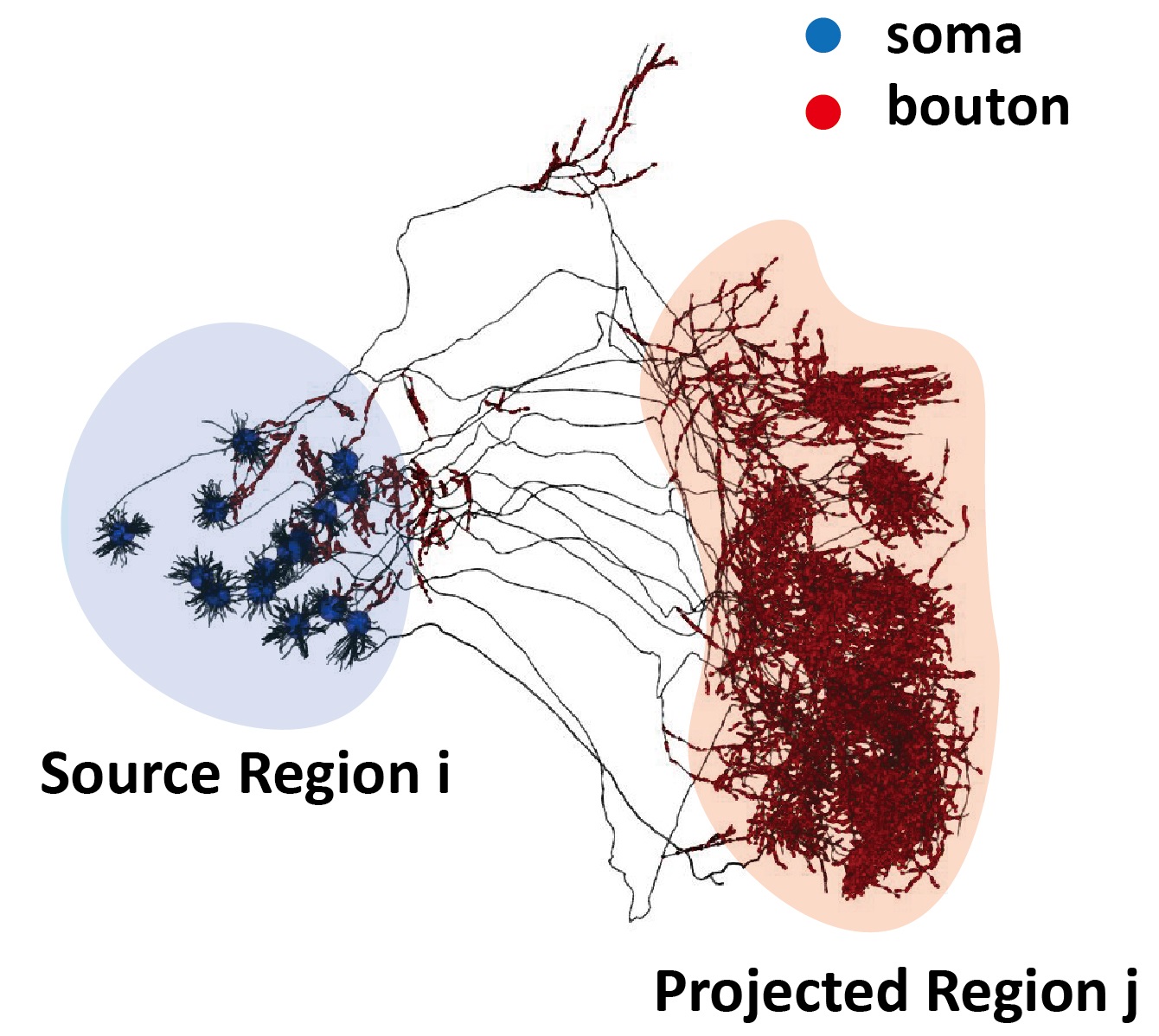
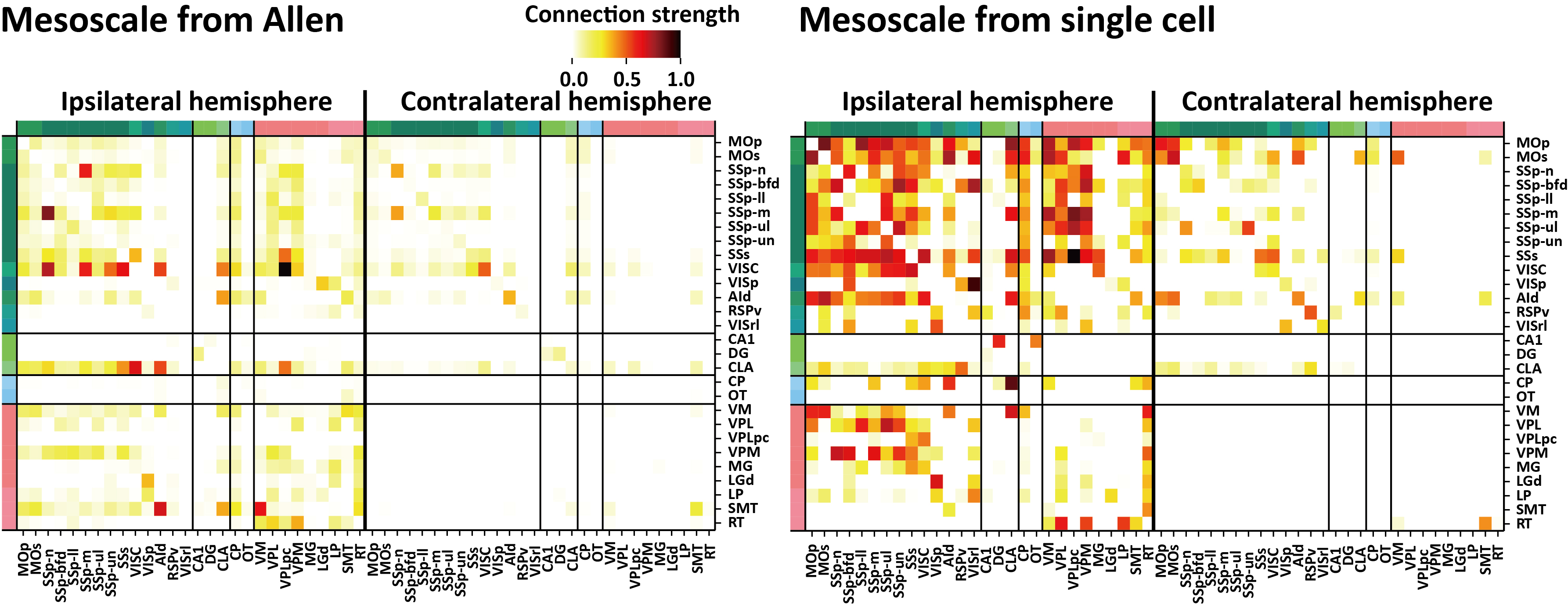

We simulated the resting state of the whole mouse brain using an extensive dataset of 1,876 fully reconstructed neurons, revealing stronger and more varied connections than earlier tracer-injection-based measurements had indicated. After optimizing global coupling and background noise parameters, we tested how well the simulation agreed with experimental data, and found that simulations built on single-cell connectivity had greater predictive power than those based on tracer-based connectomes. Our findings underscore the importance of incorporating detailed single-cell information to model brain dynamics accurately, offering insights into the functional architecture of the mouse brain.
Tools for neuron classification based on manifold patterns
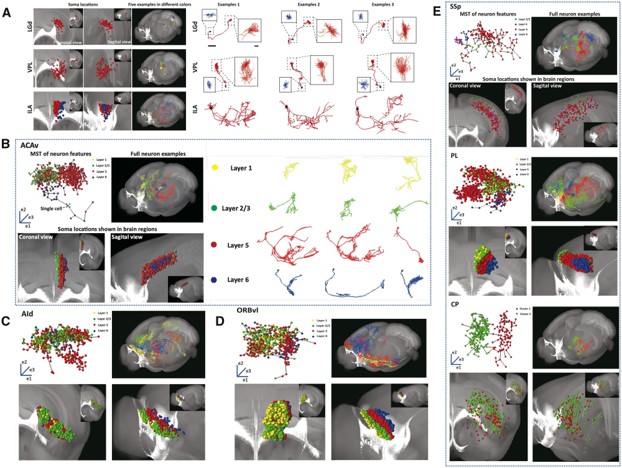


Paper | Morphological feature space toolkit | Preprint | Neuron type classification toolkit
Because morphological feature spaces are often too complex for neuron classification, we introduce a method that detects the optimal subspace of features in which neurons cluster well. We applied this method to one of the largest curated databases of morphological reconstructions, containing more than 9,400 mouse neurons across 19 cell types. Our method detects the distinctive feature subspace of each cell type. It also outperforms prevailing cell-typing approaches in identifying key morphological indicators for each neuron type and in separating super-classes of these types. Neuronal subclasses can inform brain connectivity and modeling, and also support other analyses such as feature-space studies.
Study of EEG signal correlation between students
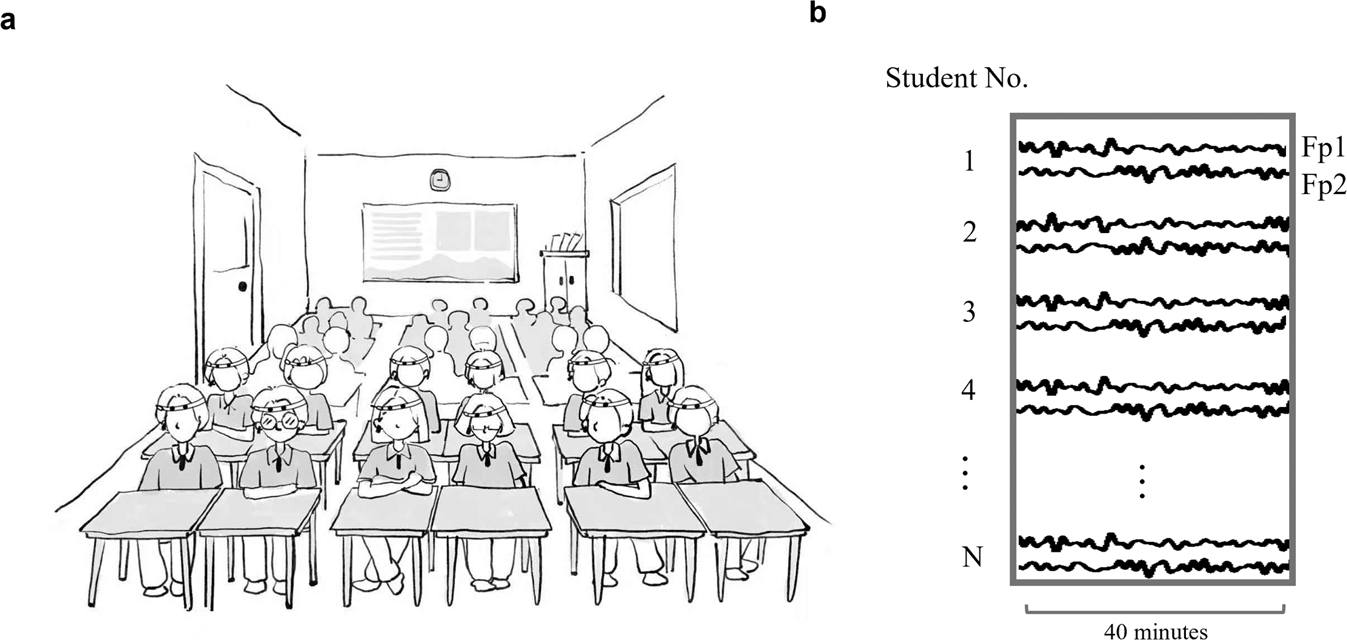
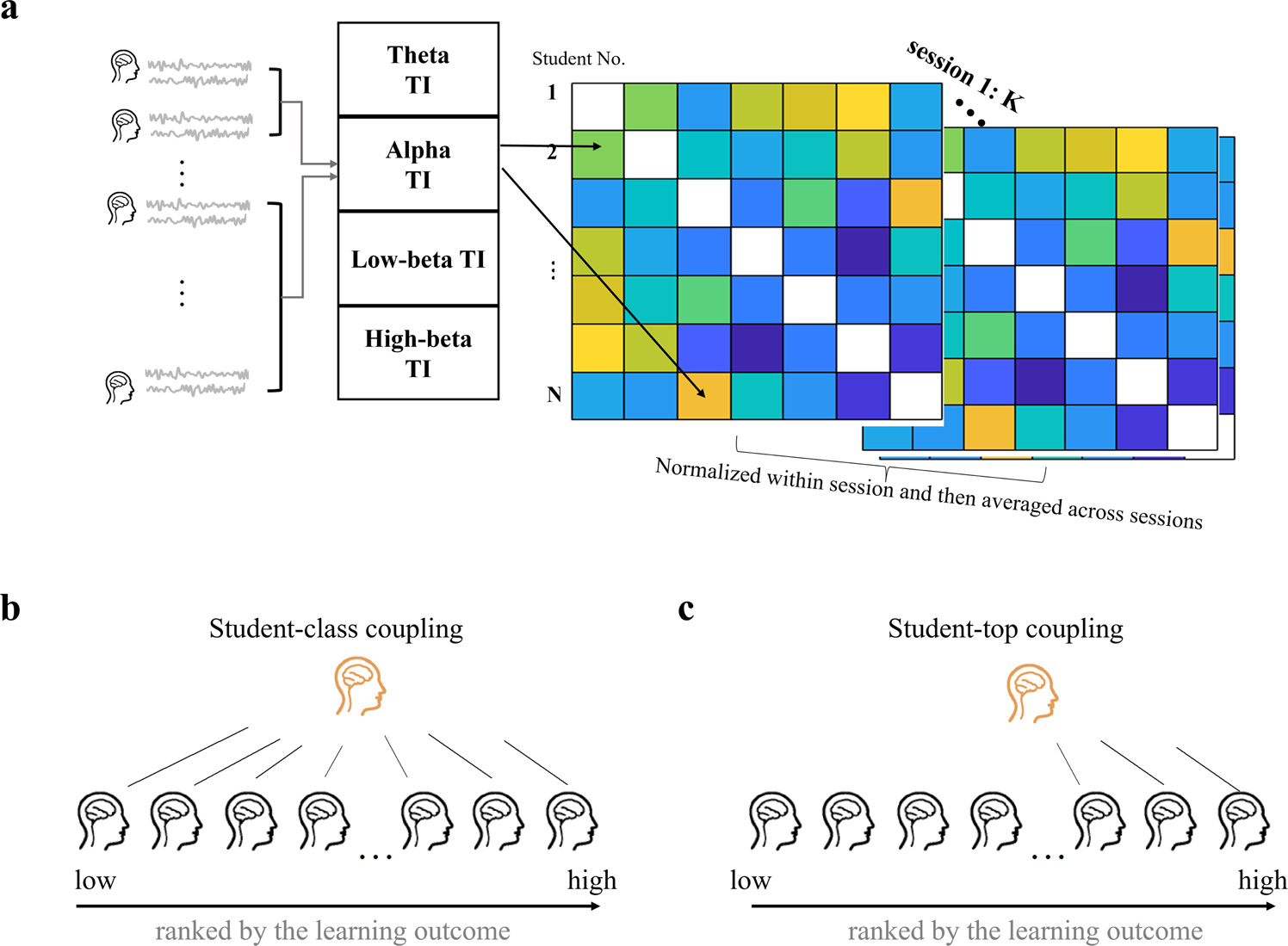
This study examined the relationship between EEG signal correlation and students' academic performance in the classroom; my contribution focused on data analysis and processing.
A portable two-electrode headband was used to record real classroom data over up to four months, which produced a large dataset with a substantial number of artifacts.
To address this, I developed a pipeline that slices the data into 30-second epochs and evaluates data quality.
Slow drifts were then removed using NoiseTool in MATLAB, and ocular artifacts were attenuated with the MSDL (multi-scale dictionary learning) toolbox.
Finally, total interdependence was computed.
Game based on BCI and VR
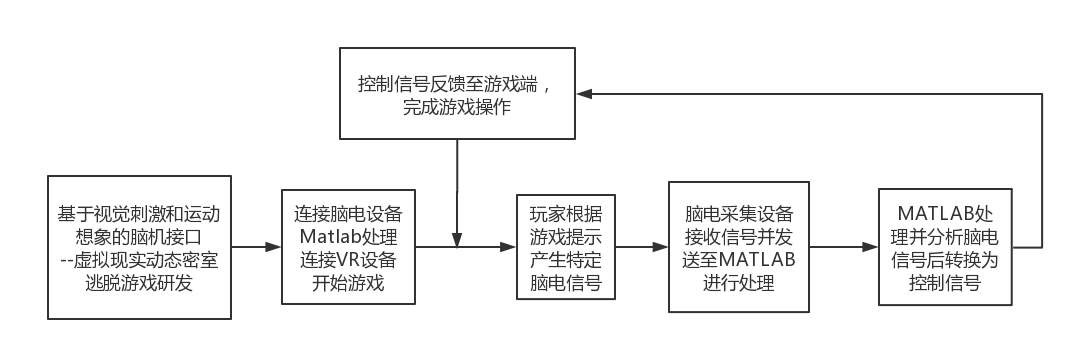
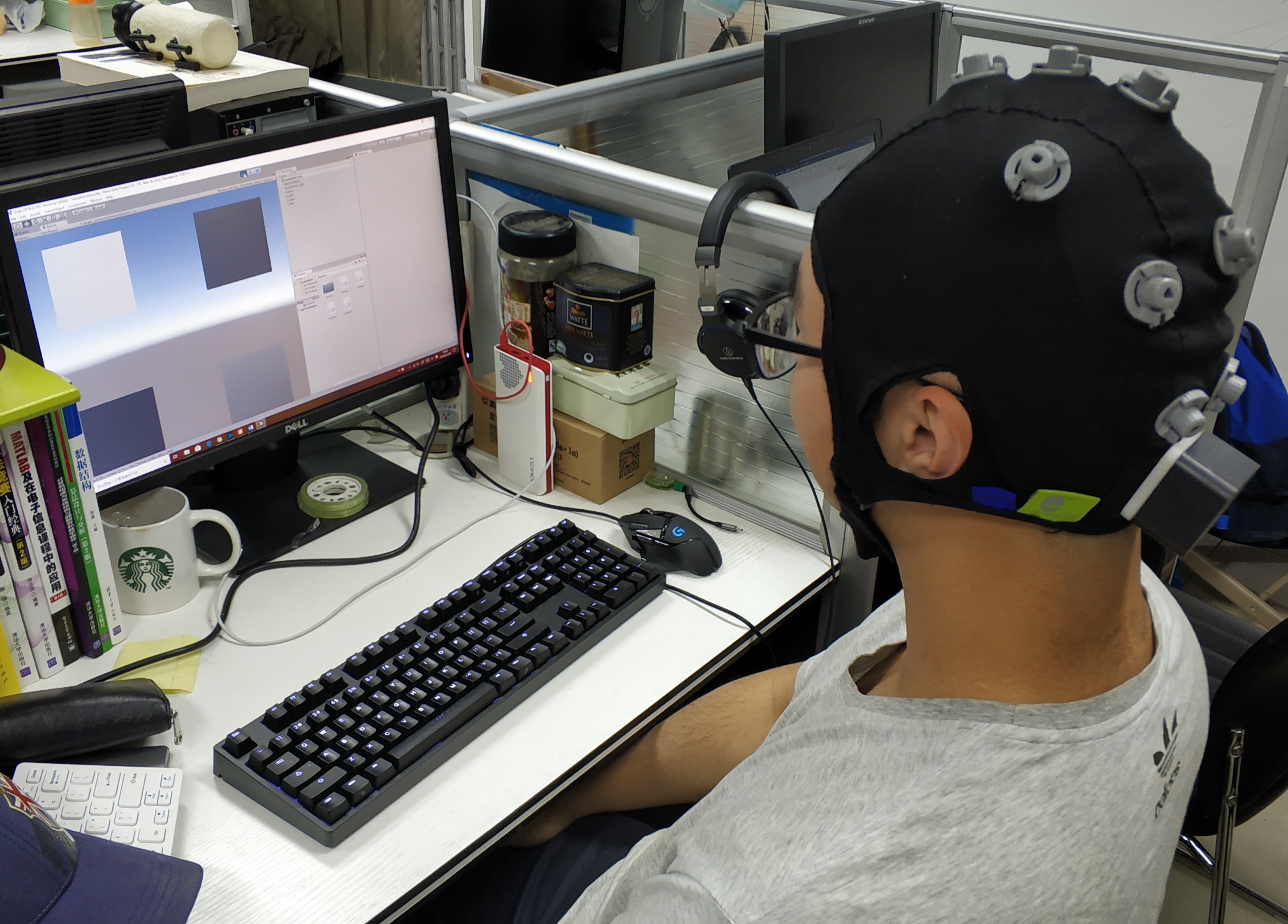
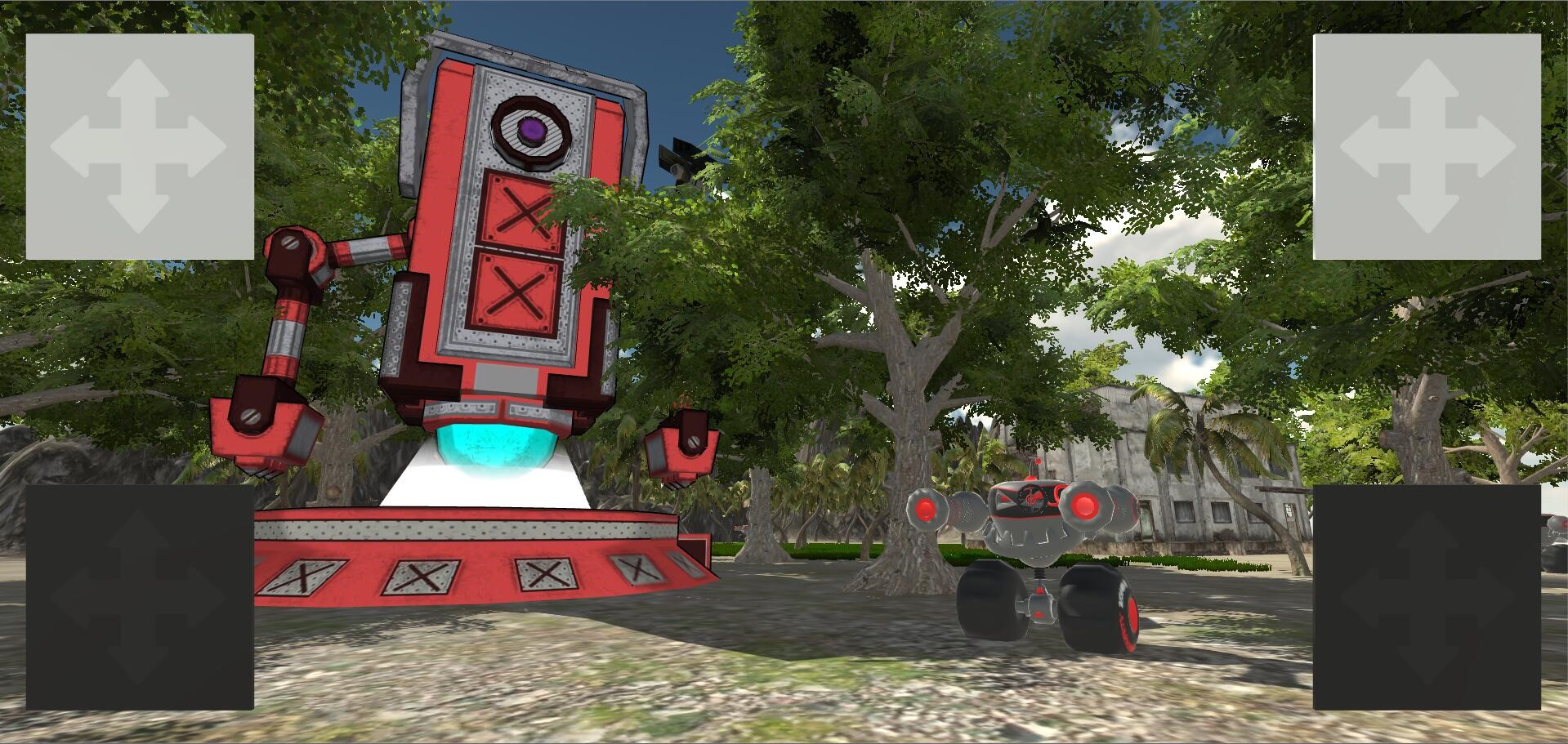
This project explores the combination of BCI and VR. Both EEG-BCI and VR require a headset, so it is natural to hope that the two can be combined.
As for BCI interaction, we felt that active BCI — which requires external stimuli to induce interaction — is not natural enough, while passive BCI has lacked interaction scenarios that cannot be replaced by other modalities, such as the measurement of personal state and emotion.
We therefore designed a game that combines several BCI interaction paradigms, using personal state as a means of control.
Publications
Only the written can stably exist outside the mind.
— Elowen·Crawford
I study brain structure and function from a network perspective across different scales (inter-individual, brain region, single cell, and synapse), while also developing new neuroscience tools, such as methods for classifying neuronal morphologies.
Journal Papers:
Main works
-
Non-homogeneous axonal bouton distributions constrain whole-brain single-cell network topology
Penghao Qian, Linus Manubens-Gil, Shengdian Jiang, Hanchuan Peng
Journal of Computational Neuroscience | 2026 -
Non-homogenous axonal bouton distribution in whole-brain single cell neuronal networks
Penghao Qian, Linus Manubens-Gil*, Shengdian Jiang, Hanchuan Peng*
Cell Reports | 2024 | Paper | Code -
Cell Typing and Sub-typing Based on Detecting Characteristic Subspaces of Morphological Features Derived from Neuron Images
Sujun Zhao, Penghao Qian, Lijuan Liu*
Preprint | 2023 | under review | Preprint | Code -
Inter-brain Coupling Reflects Disciplinary Differences in Real-world Classroom Learning
Jingjing Chen, Penghao Qian, Xinqiao Gao, Baosong Li, Yu Zhang*, Dan Zhang*
npj Science of Learning | 2023 | Paper | Code -
Manifold-Classification of Neuron Types from Microscopic Images
Lijuan Liu*, Penghao Qian
Bioinformatics | 2022 | Paper | Code
Co-authored works
-
Neuronal diversity and stereotypy at multiple scales through whole brain morphometry
Yufeng Liu, Shengdian Jiang, Yingxin Li, ... , Penghao Qian, ... , Hanchuan Peng*
Nature Communications | 2024 | Paper | Project
Conference:
-
2025 Autumn Conference of the New Cornerstone Science Foundation
Poster | Guilin, Guangxi Province 2025
-
2025 Symposium on Neural Computation and Beyond
Poster | Shanghai Jiao Tong University 2025
-
Cognitive Computational Neuroscience (CCN) 2024 | Abstract
Poster | 2024
-
BioImage Informatics Conference | Bioimaging and microscopy applications | Poster
Poster Section | Institut Pasteur Online 2021
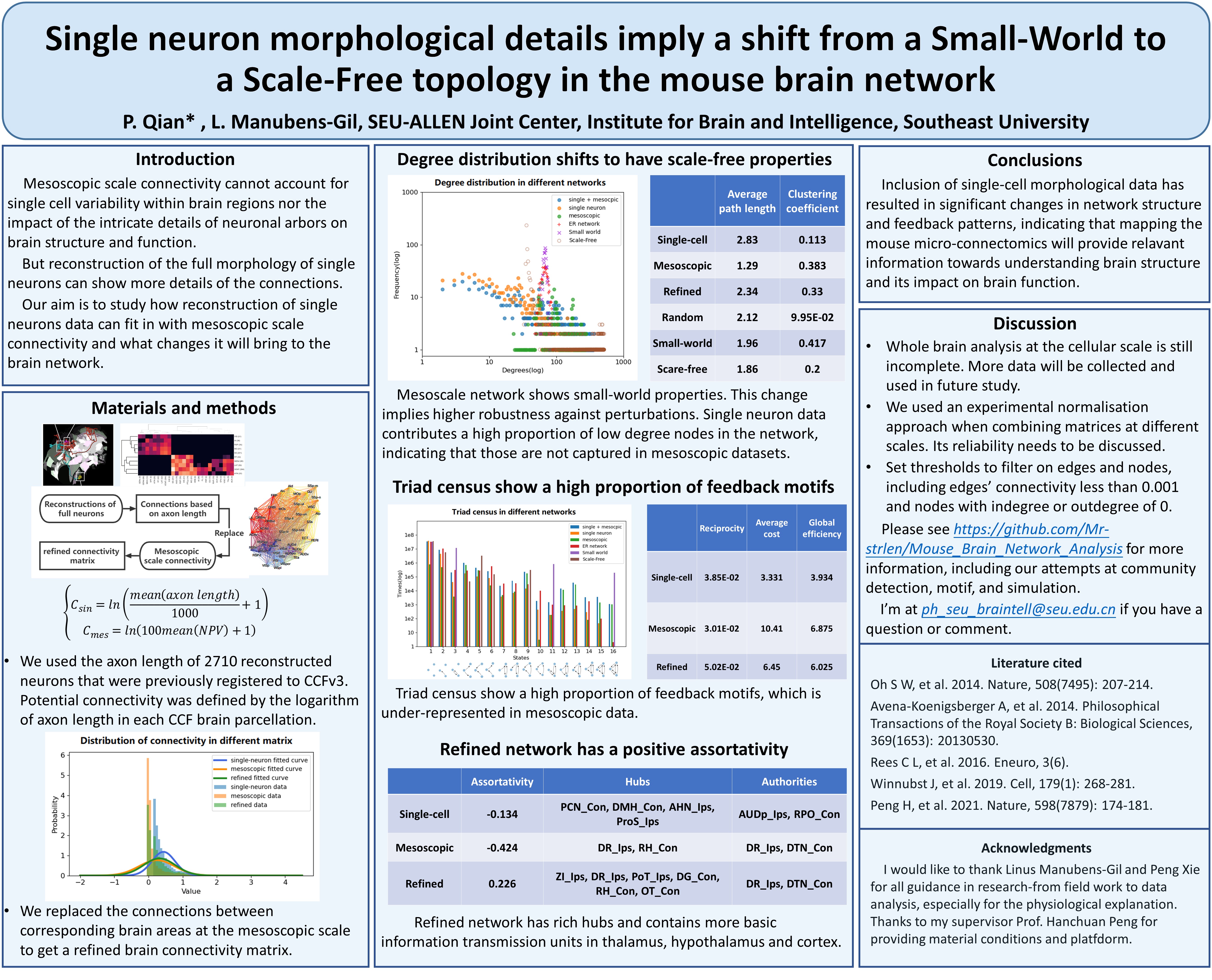
Title: Single neuron morphological details imply a shift from a Small-World to a Scale-Free topology in the mouse brain network
Penghao Qian*, Linus Manubens-Gil -
3rd Annual Conference on Engineering Psychology of C.P.S. | News
Assisted with Oral Presentation | East China Normal University 2019
Our analysis of EEG data collected by portable devices was presented by A.P. Dan Zhang
Summer School:
-
First Archaeological Theory Summer Institute
Trainee | Shandong University 2026
-
The Computational and Cognitive Neuroscience (CCN) summer school| News
Trainee | Cold Spring Harbor Asia 2024
-
BioBit Program Summer School for Computational Biology | Poster
Best Poster and Best Student Award | Zhejiang Lab 2023
-
IEEE 4th International Summer School for Neural Engineering | News
Trainee (40 selected from 400+ applicants) | Tsinghua University 2018

Competition:
-
Modeling of deep brain electrical stimulation (DBS) therapy for Parkinson's disease | Project
National Second Prize | China Postgraduate Mathematical Contest in Modeling | 2021
- Built a basic neuron firing model based on the H-H model and the structure of the basal ganglia network.
- Compared the firing of basal ganglia circuits in Parkinson's disease with normal conditions.
- Applied DBS to two different targets (STN and GPi) and selected the optimal stimulation target.
- Varied the intensity, frequency, and stimulation mode of DBS to find the optimal parameter combination.
- Also identified other potential stimulation targets.
-
Design of Dynamic Scheduling Strategy of Smart Rail Guided Vehicle (RGV)
National Second Prize | Contemporary Undergraduate Mathematical Contest in Modeling | 2018
- Simulated the RGV operation process with different algorithms (Sequential, Elevator Scheduling, Greedy).
- Pruned the feature search space to find the optimal solution.
- Discussed all initialization cases and their influence on subsequent processes.
- Estimated process arrangement and failure risk to demonstrate the robustness of the system.
Services
- 2024, Reviewer for the 7th Annual Conference on Cognitive Computational Neuroscience (CCN).
- 2021, Graduate Assistant Manager, School of Computer Science and Engineering, Southeast University.
- 2018, Outstanding Volunteer at the Beijing Summit of the Forum on China-Africa Cooperation (FOCAC).
- 2017, Member of an outstanding summer research project at China Agricultural University studying the education situation in Dafang, Bijie, Guizhou Province, China.
- 2017, Member of an outstanding joint summer research project between China Agricultural University and Tsinghua University studying the current situation of poverty in Lianxi, Suihua, Heilongjiang Province, China.
Honors
Honorable Titles
- 2024, Best Outstanding Young Student at Southeast University | 10 students per year among all undergraduate and graduate students university-wide
- 2024, Honored Graduate at Southeast University | 11 students among all graduates of the college (about 160+ students)
- 2023, Honor Student at Southeast University | Only 15 students per year at the college (about 500+ students)
Awards
- 2024, Brains for Brains Young Researcher Award | Awarded by the Bernstein Network Computational Neuroscience (one student every two years)
- 2021, National Second Prize, the 18th China Post-Graduate Mathematical Modeling Contest | Project Code
- 2018, National Second Prize, Contemporary Undergraduate Mathematical Contest in Modeling (CUMCM)
- 2018, Third Prize in the Physics Competition in parts of China
- 2017, Third Prize in the Chinese Mathematics Competitions (Beijing Division)
- 2017, Third Prize in the Provincial Blue Bridge Cup Programming Competition
- 2017, Second Prize in the Preliminary Competition of the FLTRP Cup English Debate
Scholarships
- 2023, National Scholarship | The highest scholarship in China | 11 students per year college-wide (about 500+ students)
- 2022, First Prize Graduate Scholarship (second year of Master's)
- 2021, First Prize Graduate Scholarship (first year of Master's)
- 2019, Third Prize Scholarship for Academic Excellence
- 2018, Third Prize Scholarship for Academic Excellence
- 2017, Scholarship for Outstanding Students
- 2017, Second Prize Scholarship for Academic Excellence
Beyond Research
Archaeology
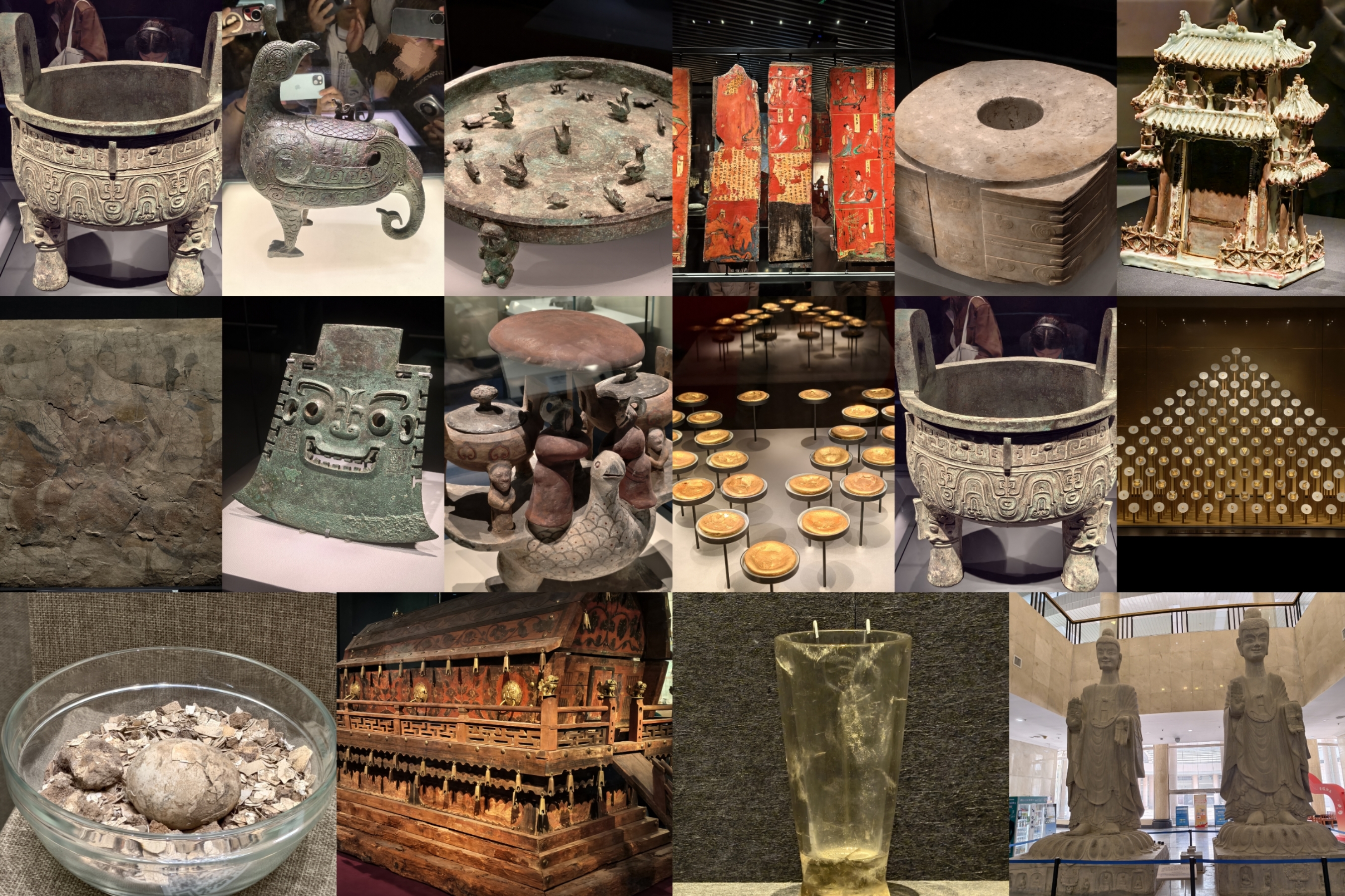
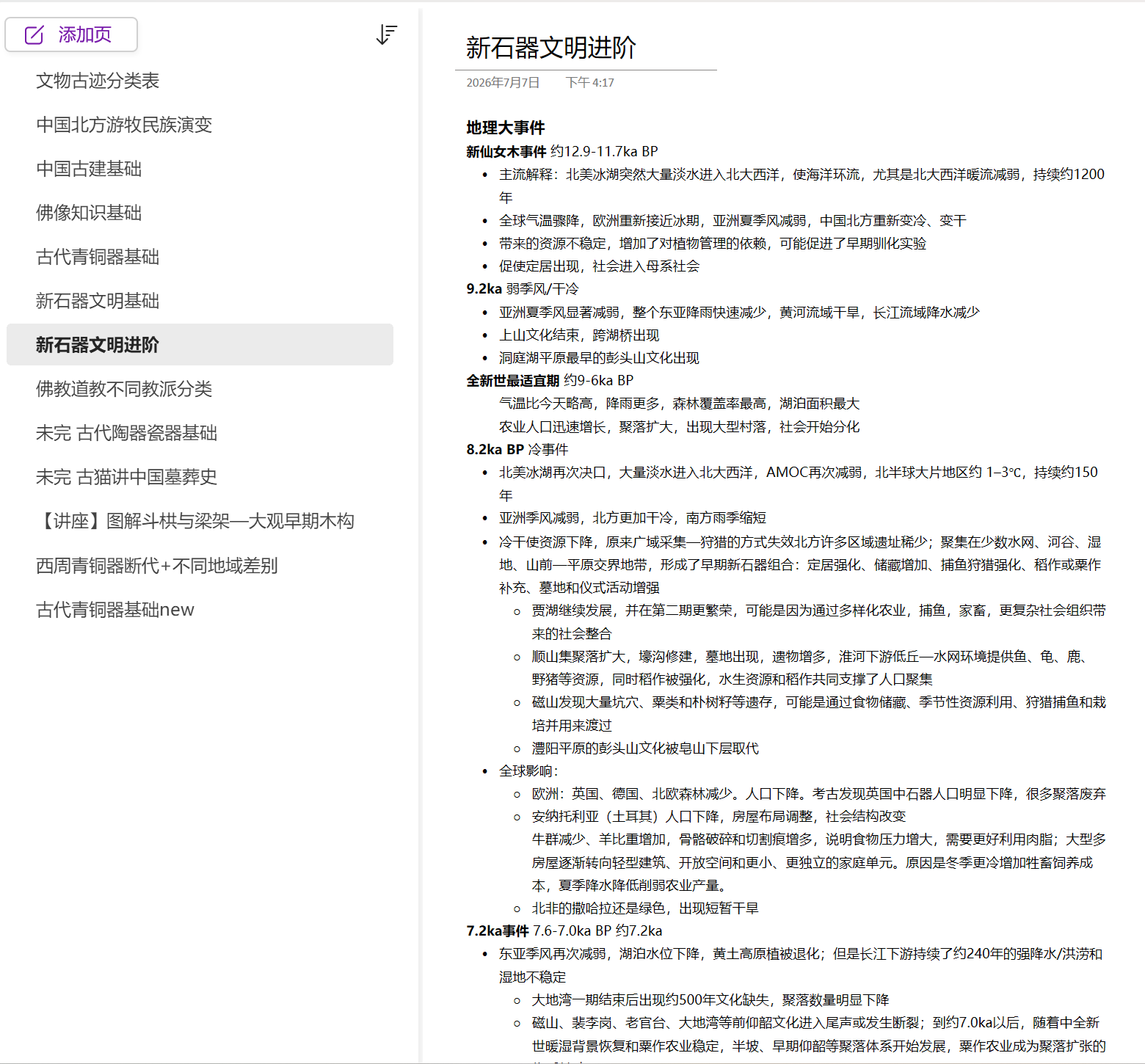
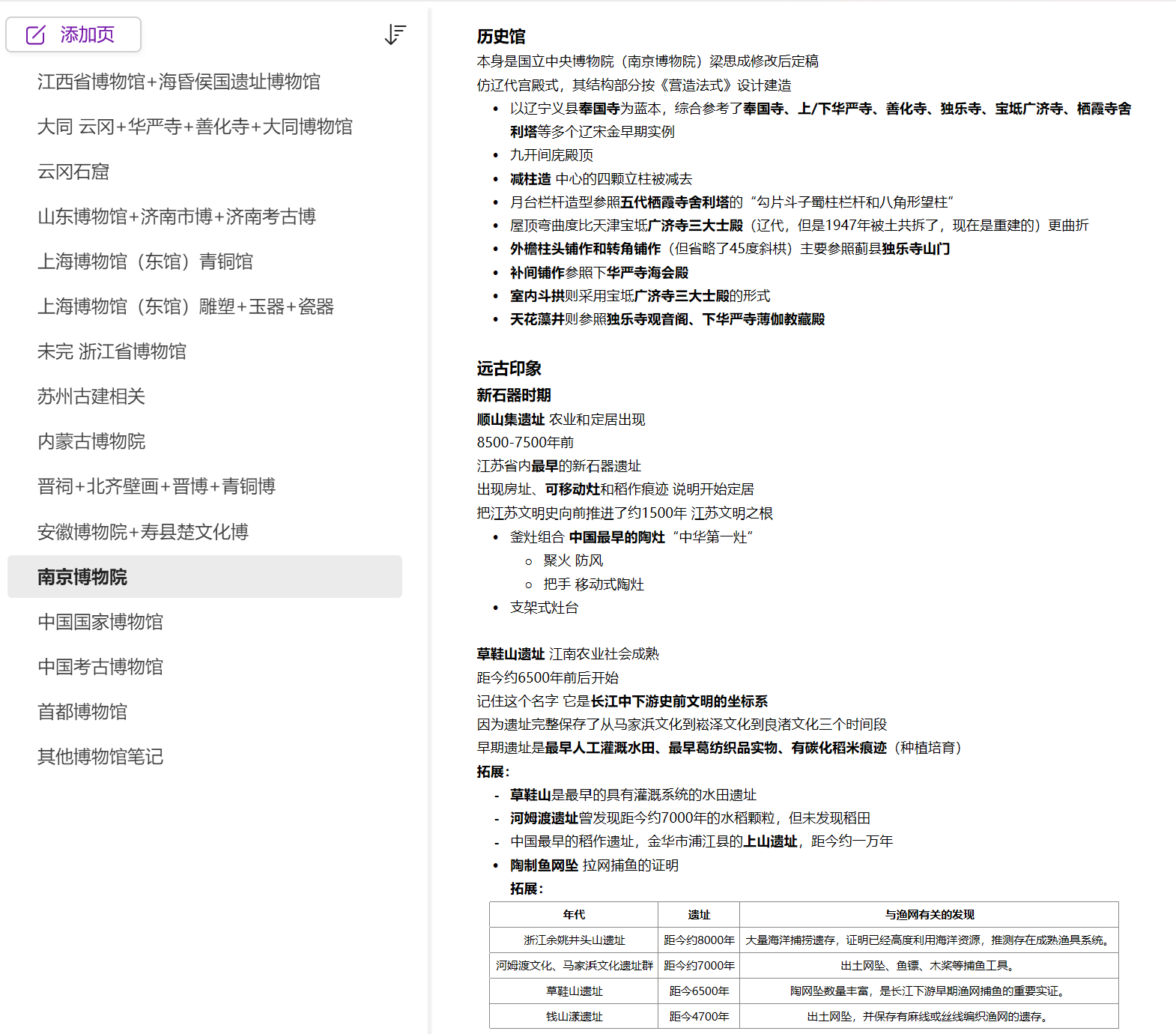
Beyond my formal research, I maintain a long-term personal study of Chinese archaeology and cultural heritage, including Neolithic cultures in China, bronze artifacts of the Xia, Shang, and Zhou dynasties, Buddhist sculpture in northern China, ancient Chinese timber architecture, mural paintings, and Han-dynasty tombs. I have compiled extensive study notes on these subjects.
Drawing on visits to the National Museum of China, the National Archaeological Museum of China, the Shanghai Museum, the Nanjing Museum, the Shanxi Museum, the Shanxi Bronze Museum, the Zhejiang Provincial Museum, the Anhui Museum, and other institutions, I have also written introductions to artifacts and museum-visit notes. As of July 2026, these notes total approximately 150,000 Chinese characters.
Last updated: 2026-09-15
Welcome to use this website's source code, just add a link back to here. ✩Powered by w3.css